
DOWN Uses Fake Parking Tickets for Promotion, Raising Ethical Concerns for Founders
DOWN used fake parking tickets as ads at UNT, sparking ethical concerns. Founders must weigh creative marketing against potential backlash.

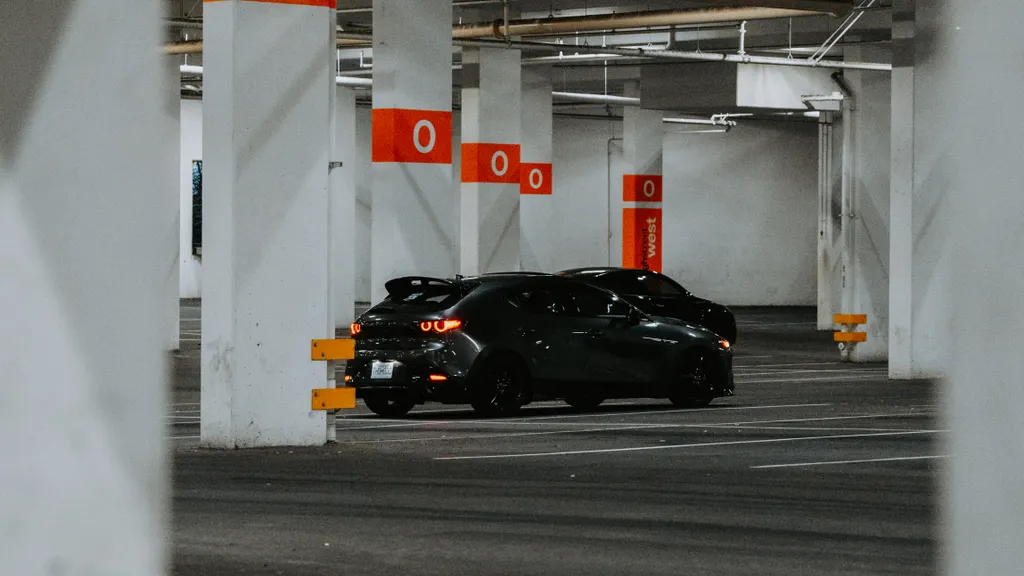
A controversial guerrilla marketing campaign targeted students at the University of North Texas when a dating app used fake parking tickets to promote its service. The realistic-looking citations appeared on vehicles in the Highland Street Parking Garage, causing initial confusion before students realized they were advertisements. The incident highlights ongoing tensions between creative marketing tactics and legitimate concerns about deceptive advertising practices.
Hundreds of fake parking tickets placed on cars at the University of North Texas were actually advertisements for dating app DOWN. The tickets appeared in the university's Highland Street Parking Garage in early September and included a QR code linked to the dating app. The tickets were printed on thin, shiny paper and designed to resemble parking citations.
Instead of demanding payment, however, they encouraged students to go out on Friday night. UNT Transportation Services warned students about the tickets and advised them not to scan the QR code. The university also pointed out that placing promotional material on vehicles without permission violates its solicitation policy.

Student Reactions and University Response
Students had mixed reactions to the stunt. One student described finding the ticket on her car as "creepy", while another found the idea funny. The divergent responses highlight how unconventional marketing tactics can produce unpredictable emotional reactions among target audiences.
UNT Transportation Services said it regularly encounters businesses leaving advertising on vehicles, but that advertisers do not normally create material designed to look like an official citation. This distinction is important because it moves beyond simple promotional material into potentially deceptive territory. The university made clear that such practices violate campus policies regarding unauthorized solicitation.
The History and Risks of Fake Parking Ticket Marketing
Fake parking tickets are not a new guerrilla marketing tactic. Businesses have used them to attract attention before, often generating backlash from drivers who initially believe they have received a real fine. The strategy relies on the shock value of finding what appears to be a citation, followed by relief or amusement when the true nature is revealed.
The format has become even more questionable as fake parking tickets and QR codes are also used by scammers to direct drivers to fraudulent payment websites.
In this case, there was no request for money and the QR code simply promoted DOWN. However, the similarity to actual scam techniques raises legitimate concerns about conditioning people to scan unknown QR codes. Security experts have long warned about the dangers of scanning codes from untrusted sources, making this marketing approach potentially problematic beyond simple annoyance.

The Science Behind Irritation-Based Marketing
It certainly got attention, and research suggests there can be a fine line between irritation and effective advertising. A 2022 study of 272 university students found that entertainment was one of the strongest drivers of advertising value. The research provides important context for understanding why some guerrilla marketing campaigns succeed while others backfire spectacularly.
Irritation weakened attitudes towards advertising and purchase intention, suggesting that negative first impressions can undermine marketing effectiveness.
Fake parking tickets potentially deliver both surprise and entertainment, but also that initial moment of annoyance. The question becomes whether the entertainment value outweighs the irritation factor, and whether brand associations formed through deceptive tactics ultimately benefit or harm the advertiser. For DOWN, the campaign generated significant attention and discussion, but whether it translated into positive brand perception or app downloads remains unclear.
- Guerrilla marketing tactics that mimic official documents risk creating negative brand associations and may violate institutional policies or local regulations
- The rise of QR code scams makes promotional campaigns using similar techniques potentially harmful by normalizing risky behavior among consumers
- Research indicates that entertainment value drives advertising effectiveness while irritation undermines it, making the emotional balance of shock-based marketing critical to success
Key takeaways
- 01DOWN used fake parking tickets with QR codes to promote its dating app at the University of North Texas.
- 02This guerrilla marketing tactic violated UNT's solicitation policy and caused ethical concerns about deceptive advertising.
- 03The campaign generated mixed student reactions and risks negative brand associations due to initial irritation.
- 04Using fake citations normalizes scanning unknown QR codes, a practice security experts warn against due to scam risks.
- 05Research shows irritation can weaken attitudes toward advertising and purchase intention, undermining campaign effectiveness.
Reviewed by an operator. Last updated September 25, 2026. High Intent is led by founder and CEO Bill Alena, backed by a team of industry experts with over 100 years of online dating experience between them.
Questions operators ask
Dating app DOWN used fake parking tickets with QR codes to promote its service at the University of North Texas. These tickets were placed on cars in early September and linked to the dating app instead of demanding payment. The campaign aimed to attract attention to the app among college students.
Sources
- research · Sciencedirect



Have a tip, a correction, or a pitch?
We're the people who write and edit this newsroom. Write to us directly, we reply within one business day.
Sources are protected. We reply personally.
The weekly editorial for operators in the dating industry.
Long form opinion from people who have built and sold dating businesses. Read past editions.